
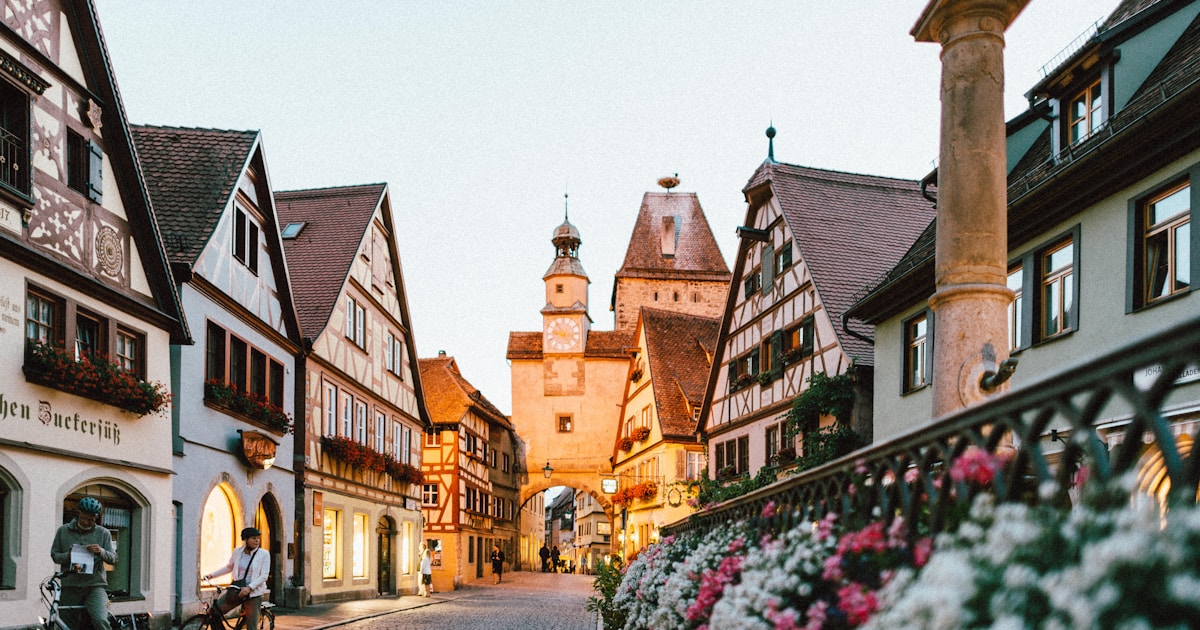
Tuscany isn’t just a region; it’s a state of mind. Rolling hills dotted with cypress trees, medieval hilltop towns, world-class wine, and food that tastes like poetry—Tuscany delivers the idealized Italy of imagination. Ten days is the perfect timeframe to experience the region’s diversity without backtracking.
The Tuscany Road Trip: Day by Day
Days 1-2: Pisa & Lucca Start in Pisa, knock out the Leaning Tower photo in one hour, then escape. Pisa’s real charm emerges away from the tower—explore the Piazza dei Miracoli’s other monuments and the Arno riverfront. Stay overnight in nearby Lucca, a walled medieval town with intact Renaissance fortifications that you can walk on. Lucca feels untouched by mass tourism; wander its quiet streets and cycle the walls at sunset.
Days 3-4: Cinque Terre The famous five fishing villages clinging to Liguria’s cliffsides are worth the detour. Hike between villages on the legendary coastal trail (sections are under repair, check conditions before arriving). Each village has its own personality: Monterosso is beachy; Vernazza is Instagram-famous; Corniglia is quiet; Manarola is painterly; Riomaggiore is atmospheric. Stay two nights, explore slowly, and eat fresh seafood pasta at harborside restaurants.
Days 5-7: Florence & Chianti Return to Florence for three days. Days five and six are Florence city days (see our dedicated Florence itinerary for museum details). On day seven, rent a car and drive into Chianti wine country. This rolling landscape of vineyards, olive groves, and medieval villages is peak Tuscany. Stay in an agriturismo (farm-stay) and spend the afternoon tasting wine.
Day 8: San Gimignano & Volterra These hilltop towns are perched dramatically on the landscape. San Gimignano resembles a medieval Manhattan—14 stone towers pierce the skyline. Explore the main piazza and climb a tower for countryside views. Volterra is sleepier, famous for alabaster workshops and Etruscan history. Both merit a half-day each.
Days 9-10: Siena & Val d’Orcia Spend day nine in Siena, Tuscany’s second-most-important city. The Piazza del Campo is one of Europe’s great squares—sloping, brick-paved, and surrounded by medieval palaces. Climb the Torre del Mangia for views, explore the cathedral, then wander the neighborhoods radiating outward. On day ten, drive the scenic Val d’Orcia road south toward Montepulciano, stopping repeatedly for photos of the quintessential Tuscan landscape—those famous cypress tree-lined driveways, rolling grain fields, and cypress-crowned hilltops.
Driving in Tuscany: The ZTL Warning
Italian towns use ZTL (Zona Traffico Limitato) systems that restrict cars from historic centers. Driving accidentally through a ZTL triggers automatic fines of €100+. When navigating to hotels in medieval towns, GPS will try to send you into the ZTL. Instead, follow signs for “Parcheggio” (parking) and park outside the historic center. Always ask your accommodation where to park legally.
Roads in Tuscany are excellent. Tolls are minimal outside the autostrada. Driving is actually easier than the complicated bus system and offers far more flexibility.
Wine Tasting Strategy
Chianti produces some of the world’s greatest wine at reasonable prices. Visit producers directly—many offer tastings for €10-20 and are delighted to have visitors. Don’t feel obligated to buy; a tasting and conversation is the real gift. Famous names like Antinori are available everywhere; instead, seek out smaller producers whose names you’ve never heard. These often produce equal quality at half the price.
The Vino Nobile di Montepulciano appellation south of Siena produces excellent wines too. Several producers around Montepulciano offer tastings.
Agriturismo Stays
Farm-stays are Tuscany’s best-kept secret. You rent a cottage on working farms, often with pool access and breakfast included. Rates run €60-100 per night—cheaper than hotels with infinitely more character. Search agriturismo.com for options. Many are only bookable by phone, which deters international visitors, meaning fewer tourists.
Seasonal Food & Markets
Tuscany’s food is simple, seasonal, and earth-based. Spring brings fresh peas and asparagus. Summer offers tomatoes, zucchini, and berries. Autumn brings mushrooms, truffles, and game. Winter is soup and preserved vegetable season. Shop at farmers markets (mercatos) in town squares—Siena’s and Florence’s markets are especially good—for picnic supplies.
Traditional Tuscan dishes to seek out: ribollita (bread and vegetable soup), bistecca alla fiorentina (enormous T-bone steak), pici (rustic handmade pasta), and farinata (chickpea flour pancake from Cinque Terre). Pecorino cheese is Tuscan gold.
Best Time to Visit
May and June offer perfect weather and blooming wildflowers. September and October bring harvest season, smaller crowds, and golden light. July and August are hot, crowded, and commercial. Spring (April-May) offers the most romantic Tuscan experience.
Budget Tips
- Stay in smaller towns, not Florence, to save 30-40% on accommodation
- Lunch is cheap; dinner is expensive. Reverse the pattern
- Buy picnic supplies from markets instead of restaurants
- Museums often have free or discounted evening hours
- Train travel is cheaper than rental cars for some legs, but a car offers flexibility
Plan Your Tuscan Adventure with Aitinery
Skip the hours of research. Aitinery builds your personalized Italy itinerary in seconds — with real train times, local restaurants, and daily schedules you can actually follow.
👉 Start planning for free at aitinery.com.