
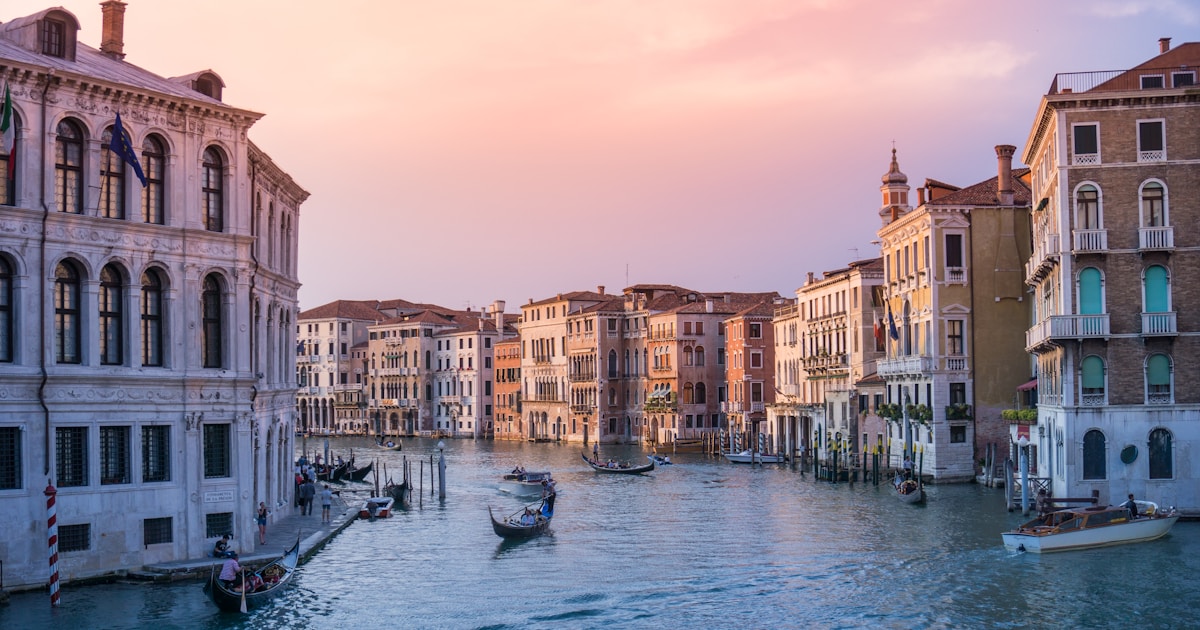
The question every Italy-bound traveler asks is deceptively simple: “When should I go?” The answer, frustratingly, is “it depends.” Italy transforms throughout the year, and the best time for you depends on what you value most—solitude, warmth, culture, or budget. Let’s break down each season so you can plan a trip that matches your travel style perfectly.
Winter (December-February): The Quiet Magic
Winter reveals Italy at its most authentic. Major attractions have shorter lines, restaurants fill with locals rather than tourists, and hotel prices plummet. Venice becomes genuinely atmospheric without thousands of day-trippers clogging the bridges. Rome’s winter weather is mild—expect 8-12°C (46-54°F) and rainfall, but rarely anything harsh. Northern regions like the Dolomites transform into ski country, drawing athletes rather than beach-seekers.
The downsides: limited daylight hours, some regional trains run fewer routes, and you’ll encounter gray skies more than sunshine. Sicily and Southern Italy remain surprisingly warm and pleasant; if you’re heading south, winter is excellent. Christmas markets transform city piazzas, and Carnevale in Venice (late February) is absolutely spectacular, though crowded.
Spring (March-May): The Perfect Sweet Spot
Spring, particularly April and May, might be Italy’s best-kept secret. Flowers explode across the countryside, weather is reliably pleasant (15-20°C/59-68°F), and crowds haven’t reached summer levels. Easter period brings festivals throughout the country, and prices sit comfortably between winter lows and summer peaks. This is peak season for agriturismo (farm stays) in Tuscany—rolling green hills, wildflower meadows, and quiet country roads perfect for cycling.
Hotels and restaurants operate at full capacity without the chaos of July-August. You’ll share attractions with reasonable crowds and can actually navigate major sites. Spring rainfall is minimal, and the light quality photographers obsess over is absolutely golden. If flexibility is your friend, shoulder season (late April-early May) delivers everything travelers love about Italy without the sensory overload.
Summer (June-August): Hot, Crowded, and Expensive
High season brings sunshine, warmth (25-32°C/77-90°F), and absolutely everything operating at full tilt. Beaches fill with families, mountain trails buzz with hikers, and major attractions require advance booking. Ferragosto (August 15) is peak vacation time for Italians themselves—the entire country seems to travel simultaneously. Venice becomes almost unreasonably crowded, the Colosseum requires early morning arrival, and you’ll wait hours for restaurant tables in popular areas.
The upside? Everything is open, festivals run continuously, and the weather is glorious if you can handle heat. Coastal towns shine, mountain meadows are lush, and long daylight hours extend your exploration time. Summer requires advance planning and realistic budgeting—expect higher prices and larger crowds. Consider visiting less touristy regions or planning around Ferragosto when many attractions experience temporary closures.
Fall (September-October): The Second Spring
Many seasoned Italy travelers consider fall the superior season. September is summer’s tail end with pleasantly warm weather (20-27°C/68-81°F) but dramatically fewer tourists. Beaches are still swimmable, harvest season brings incredible food experiences, and hotel availability opens up. October is even quieter, with crisp mornings, golden light, and wine harvest celebrations throughout wine regions.
Rain increases slightly, and higher elevations experience occasional cold snaps, but generally the weather remains excellent. Prices drop from summer peaks but exceed winter bargains. This is truffle season in Piedmont, wine harvest in Tuscany, and the season when nature itself seems to celebrate before winter sleep. If you value both comfort and authenticity, fall is your answer.
Regional Variations: The Exception to Every Rule
Italy’s geography creates microclimates that complicate blanket recommendations. Sicily and Southern Italy stay warm well into December and remain pleasantly warm through winter while northern regions freeze. If winter travel appeals to you but cold weather doesn’t, head south. The Dolomites are stunning for hiking June-September but snowbound November-March. The Lakes (Como, Garda, Iseo) are beautiful year-round but most pleasant May-September. Mountain regions like Aosta Valley and Trentino are ideal for summer hiking but challenging in winter unless you’re skiing.
Festivals and Events That Define Seasons
Plan around events that matter to you. Carnevale (February) paints Venice in masks and costumes—magical but mobbed. Easter (variable) brings religious processions throughout the country, particularly striking in Southern Italy. Palio di Siena (July and August) is a centuries-old horse race that defines summers in Tuscany. Ferragosto (August 15) is Italy’s national vacation day—many businesses close, but celebrations run wild. Christmas markets transform European cities from late November; Italian versions are charming and less hectic than German or Austrian equivalents.
The Budget Reality
Prices shift dramatically with seasons. Winter and early spring (excluding Easter) offer the best hotel rates and restaurant deals. Summer commands premium prices across accommodations, dining, and attractions. Shoulder season (April-May and September-October) strikes a balance—moderate prices with good weather. Book attractions and accommodations early if traveling during peak periods; last-minute options vanish in summer.
The Honest Truth
The “best” time to visit Italy is whenever you can make it work. Every season delivers authentic experiences and stunning moments. Winter offers solitude and authentic culture. Spring and fall provide near-perfect weather with manageable crowds. Summer promises long days and complete options but requires patience with crowds. Choose based on your tolerance for crowds, preference for weather, and which experiences matter most to you—then commit fully to enjoying what that season uniquely offers.
Plan Your Italy Trip at the Perfect Time with Aitinery
Understanding seasonal patterns is just the start—Aitinery maps out festival dates, optimizes itinerary pacing for your chosen season, suggests weather-appropriate activities, and recommends restaurants that come alive at different times of year. Personalized planning that accounts for when you’re actually traveling, not generic suggestions.
👉 Start planning your Italy trip for free at aitinery.com.