
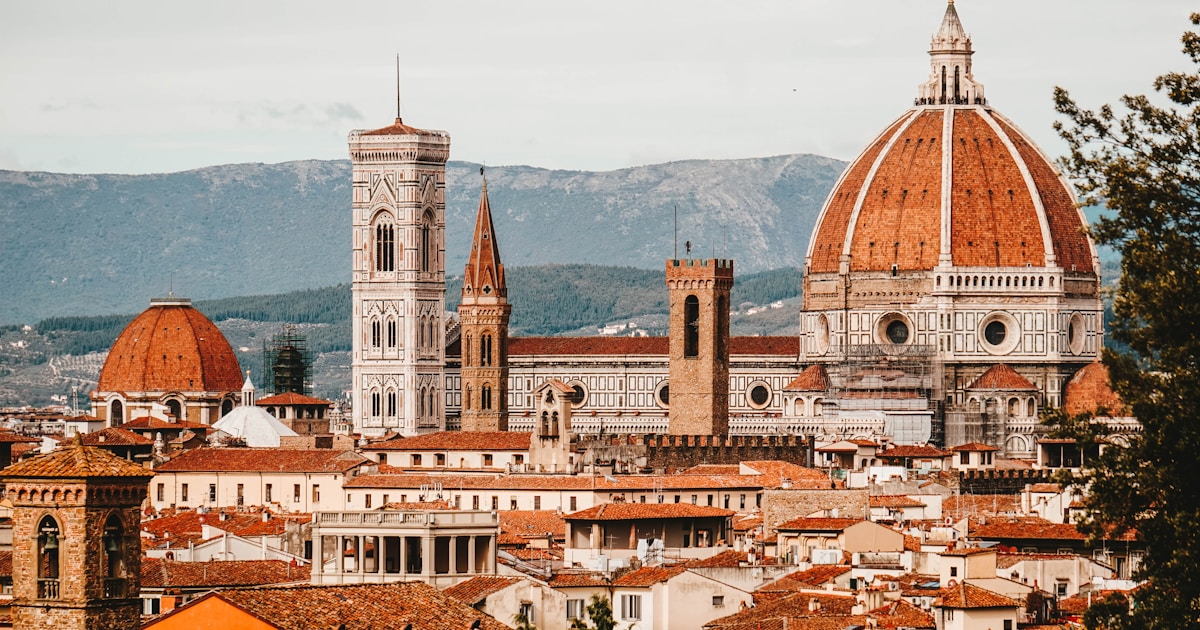
Florence is the world’s greatest museum, but visiting it requires strategy. Two days isn’t enough to see everything—it’s barely enough to scratch the surface. But with smart choices and early mornings, you can experience Florence’s essential magic.
Day 1: Uffizi, Duomo & the Historic Center
Morning: Uffizi Gallery The Uffizi holds some of the world’s greatest paintings: Botticelli’s Birth of Venus, Leonardo’s Adoration of the Magi, Raphael’s Leo X. Crowds here are relentless, so book skip-the-line tickets weeks ahead through the official website (uffizi.it). Most importantly: arrive right when they open (typically 8:15 AM).
You’ll have perhaps two hours before crowds become overwhelming. Focus on the highlights—second-rate paintings will still be there later, but the famous masterpieces get mobbed by 10 AM. Take your time with the pieces that resonate. Read the descriptions. Let the paintings sink in.
Midday: Duomo & The City’s Heart Head directly to the Duomo (Florence’s cathedral) and climb the dome (Cupola) immediately. The climb is 463 steps up a narrow spiral staircase in tight quarters—not for claustrophobes. But the payoff is incomparable: 360-degree views of Florence from the city’s highest point. The terracotta rooftiles, the Arno river, and the Tuscan hills form one of the world’s great urban vistas.
Descend and explore the Duomo’s exterior (free) and interior (free but crowded). Climb the adjacent Campanile (bell tower) if you have energy—less dramatic than the dome but also less crowded.
Lunch: Mercato Centrale San Lorenzo Market’s top level is a tourist food court; the bottom level is a working market. Head downstairs and grab lunch from any stall: pasta, arancini, panini, fresh produce. Sit at the marble counters and eat standing up like locals. This is authentic Florence: people in a hurry, excellent food, realistic prices.
Afternoon: Oltrarno District Cross the Ponte Vecchio (the famous gold-jewelry bridge) into the Oltrarno neighborhood south of the Arno. This district is where artisans still work: leather craftspeople, wooden sculptors, silversmiths, and printmakers. Watch through open workshop windows as locals create beautiful things.
Visit the Basilica di Santo Spirito (free) with its austere Renaissance interior, then wander the piazza and small streets. Pop into galleries and craft shops. The neighborhood has authentic character that the historic center lacks—fewer tourists, more locals, actual Florentine life.
Late Afternoon to Evening Return to the historic center and explore on foot. Walk narrow streets, peek into piazzas, discover small churches. Florence rewards wandering. Stop at a café for aperitivo (a glass of wine and snacks costs €5-8), then have dinner in the Oltrarno neighborhood. Piazza Santo Spirito has excellent casual restaurants; pick any that’s busy with locals.
Day 2: Accademia, Boboli & Sunset
Morning: Accademia & Michelangelo’s David The Accademia Museum houses Michelangelo’s David—arguably the world’s greatest sculpture. This 17-foot marble figure stopped the world in 1504 and still commands genuine emotion. Book skip-the-line tickets and arrive early. The museum is small—you’ll spend most time here staring at the David.
Pro tip: David is at the gallery’s far end. Walk through quickly past the paintings, then spend 20+ minutes with the sculpture. Let its scale and perfection sink in.
Late Morning to Lunch Walk through the historic center toward the Boboli Gardens. Pop into the smaller churches and museums near the Duomo if they interest you—the Bargello Museum houses Renaissance sculpture, and the Opera Museum has treasures from the Duomo complex.
For lunch, avoid restaurants on major piazzas—overpriced and touristy. Instead, hunt for a family-run trattoria in smaller streets. Look for places with menus in Italian only, tables crowded with construction workers, and visible kitchen activity. Order whatever looks good at neighboring tables.
Afternoon: Boboli Gardens The Boboli Gardens are Florence’s only significant green space—a Renaissance-era garden with geometric arrangements, sculptures, and panoramic views. Spend two hours wandering. The gardens slope upward; the Forte di Belvedere at the top offers stunning views over Florence to the surrounding hills.
The gardens are peaceful compared to the crowded city. Locals bring families on weekends. You might have large sections entirely to yourself—surreal for central Florence.
Late Afternoon: Ponte Vecchio & Oltrarno Return to the Ponte Vecchio for sunset. This ancient bridge is crammed with tourists and jewelers, but the evening light on the Arno is genuinely magical. Watch from the bridge or from the riverbank south of it.
Wander the Oltrarno one more time, visiting small galleries and craft shops that are closing for the day. The neighborhood in late afternoon feels like stepping back to a Florence that tourists haven’t fully discovered.
Evening: Final Dinner Have your final Florence dinner in Santo Spirito or another Oltrarno piazza. These areas are genuinely good and infinitely more pleasant than eating near the Duomo. Order Florentine steak (bistecca alla fiorentina) if you eat meat—it’s the regional specialty. Or try pappardelle al cinghiale (wide ribbon pasta with wild boar sauce). Finish with gelato from Gelateria della Passera (locals’ favorite) or Vivoli (legendary for 80+ years).
What to Skip
With only 48 hours, make choices. Skip the second-tier museums. Skip the Piazzale Michelangelo viewpoint (overcrowded, mediocre views). Skip Fiesole (a hilltop village north of the city—adds travel time for modest returns). Skip the leather market unless you’re specifically shopping.
Skip-the-Line Tips
- Book everything online 2-3 weeks in advance through official museum websites
- Arrive at museum doors 5 minutes before opening
- Get audio guides to maximize time—museums provide depth without requiring a human guide
- Eat lunch between 1-2 PM when museums are crowded but restaurants are quiet, then return mid-afternoon when lines relax
Best Gelato
Gelato is serious in Florence. Skip touristy gelaterie on major streets—they’re mediocre and expensive. Instead:
- Gelateria della Passera: Local favorite, small shop, incredible gelato
- Vivoli il Gelato: Famous for 80+ years, authentic Florentine institution
- Perché no?: On a quiet side street, excellent quality, reasonable prices
- Gelato Cavallini: Small operation with surprising flavors
Trattoria Picks
Avoid restaurants with photo menus or staff soliciting outside. Instead:
- Trattoria da Rocco (near San Lorenzo Market): Locals’ lunch spot, no frills, excellent
- Osteria Vini e Vecchi Sapori (Oltrarno): Tiny, traditional, absolutely packed with locals
- Trattoria Anita (Oltrarno): Family-run, honest cooking, reasonable prices
- Eat Italy (various locations): Casual, fresh, good sandwiches
- Mercato Centrale upper level: Tourist-oriented but good quality food stalls
Other Essentials
Wear comfortable walking shoes—you’ll cover 15+ kilometers. Florence is hilly; your feet will hurt. Bring sunscreen and water; the city is exposed and sunny. Be aware that many churches close midday (12-3 PM) for lunch. Plan accordingly.
Most attractions close Mondays. Check before visiting. Tuesdays-Sundays, museums open at 8:15 AM and close between 5-7 PM depending on season.
Plan Your Florence Adventure with Aitinery
Skip the hours of research. Aitinery builds your personalized Italy itinerary in seconds — with real train times, local restaurants, and daily schedules you can actually follow.
👉 Start planning for free at aitinery.com.