
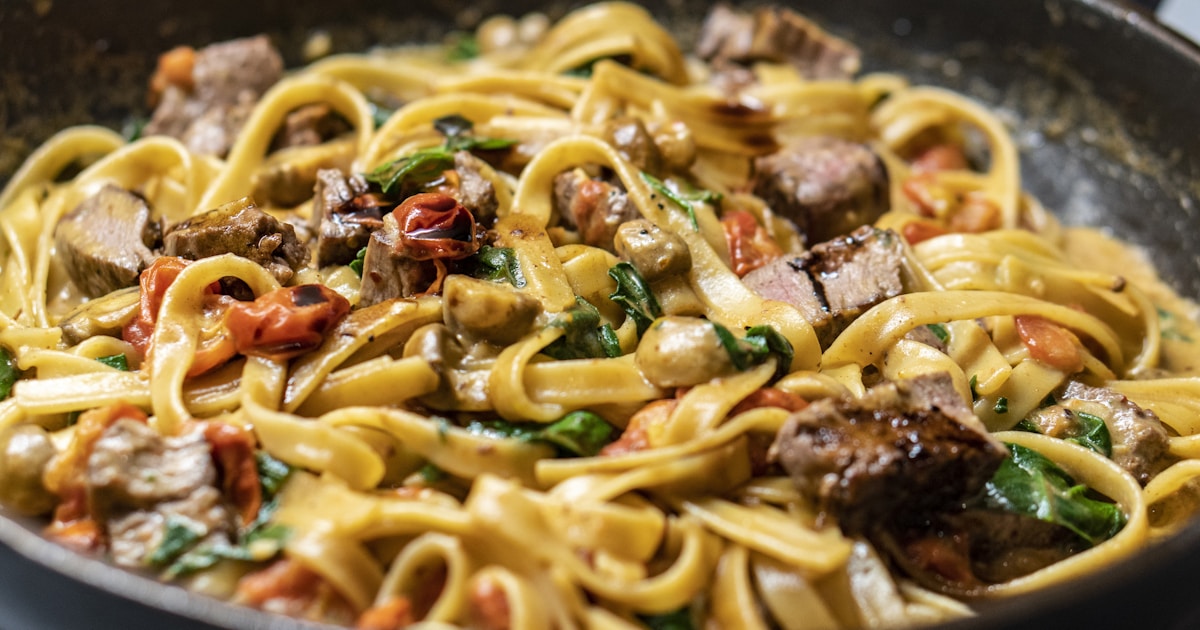
Let’s address the elephant in the room: fettuccine alfredo doesn’t exist in Italy. Or rather, it exists in very specific Roman restaurants, and Italians rarely eat it. The creamy pasta dish Americans romanticize is purely tourist invention. This fundamental misunderstanding underpins why so many travelers eat mediocre food in Italy despite traveling to a country that makes excellent food its primary export.
The solution is understanding that Italian cuisine is radically regional. What you eat in Sicily bears little resemblance to Milan. What Romans eat every day would confuse Venetians. Travel without knowing regional food is like visiting without understanding the language—you’ll miss the whole point. Let’s decode Italy’s actual food culture, region by region, and learn what to actually order.
Rome: Where Peasant Food Became Legendary
Roman cuisine celebrates humble ingredients transformed into transcendent dishes. Carbonara is the quintessential Roman pasta—eggs, guanciale (cured pork jowl), pecorino, black pepper. No cream. Ever. If a Rome restaurant adds cream, leave immediately. Carbonara done properly tastes like magic despite three ingredients. This is Roman cooking: perfect technique with austere ingredients.
Cacio e pepe (cheese and pepper) is similarly minimalist: pasta, pecorino, pepper. The magic is in technique—combining pasta water, cheese, and pepper into creamy sauce without cream. Amatriciana adds tomato, guanciale, and pecorino to the same base. Gricia is carbonara without eggs—guanciale, pecorino, pepper. Variations explore the same theme endlessly.
Beyond pasta, Roman food celebrates offal and peasant ingredients. Supplì (fried rice croquettes) are snacks sold at bakeries, filled with meat ragù and mozzarella. Saltimbocca (sage-wrapped veal) and carciofi alla romana (braised artichokes) showcase Roman vegetable technique. Eat at neighborhood trattorias near Campo de’ Fiori market, where you’ll see Romans actually eating. Skip any restaurant with tablecloths and menus with English translations.
Naples: Where Pizza and Passion Collide
Naples invented pizza, and Neapolitans take it seriously. Pizza Margherita (tomato, mozzarella, basil) is the reference point—simple, perfect, and any restaurant making excellent Margherita can probably make everything else well. Pizza Napolitana uses San Marzano tomatoes and buffalo mozzarella, is thicker than Roman pizza, and has slightest fried bottom. Try both styles and prefer whichever moves you.
Beyond pizza, Naples excels at baked goods. Sfogliatella (crispy pastry with ricotta and candied fruit) is the essential Neapolitan treat. Babà (rum-soaked yeast pastry) is another institution. Pastiera (Easter wheat pie) is seasonal excellence. The pastry shops here rival fine restaurants in skill.
Ragù Napoletano is meat sauce cooked for hours, completely different from faster Roman preparations. Pasta e fagioli is peasant perfection. Sfogliatella fritta are fried pastries sold at street stands—grab them warm and eat immediately. Naples eats with passion and doesn’t apologize for indulgence.
Florence: Bistecca and Bread Culture
Bistecca alla fiorentina is Florence’s defining dish: massive T-bone steak, seared and rare, finished with olive oil. It’s expensive (€40-60), but experiencing it once is important. The meat quality alone justifies the price. Order it properly: rare, never well-done. Eating it that way opens understanding about Italian meat culture.
Florentine bread is famously saltless—an acquired taste. Lampredotto (beef tripe sandwich) is the quintessential street food, sold at market stalls. It’s challenging for adventurous eaters but utterly authentic. Ribollita (bread and vegetable soup) is warming and hearty. Crostini neri (toast with chicken liver pâté) is a classic appetizer that sounds worse than it tastes.
Florence invented bistro culture and celebrates its traditions fiercely. Eat at enotecas (wine bars) where locals gather. Markets overflow with produce and prepared foods. The city’s relationship with food is about tradition and quality, not innovation.
Sicily: Where East Met West
Sicilian food is Italy’s most complex, influenced by Arab, Norman, Greek, and Spanish conquests. Arancini (fried rice balls) are Sicilian soul food—crispy outside, creamy inside, usually filled with ragù, peas, and mozzarella. Pasta alla Norma uses eggplant, tomato, and basil in a style unique to Sicily. Pasta con le sarde combines sardines with wild fennel in a dish impossible to replicate elsewhere.
Granita with cornetto (brioche) is Sicilian breakfast—almond, pistachio, lemon, or strawberry granita poured into soft brioche. Tourists miss this entirely; locals eat it constantly. Sfincione is Sicilian pizza: thick, rectangular, topped with onions and breadcrumbs instead of the cleaner Roman or Neapolitan styles.
Seafood defines coastal areas. Fritto misto (fried fish mix) is excellence when fresh. Sarde in saor (sardines in sweet-sour sauce) is preservation technique turned into refined dish. Palermo’s street food culture (arancini, panelle/chickpea fritters, sfincione) is arguably Italy’s best street eating.
Bologna: Where Pasta Meets Tradition
Ragù Bolognese is meat sauce, cooked for hours with soffritto (celery, carrot, onion base), tomato, and milk. It’s nothing like the quick tomato sauces of other regions. Serve it with egg pasta (not tomato pasta). Tagliatelle is the canonical pasta—wide ribbons that hold sauce perfectly. Tortellini (meat-filled pasta) are small, beautiful, and often served in broth — a revelation when done right.
Tortelloni are larger versions, sometimes filled with ricotta or vegetables. Lasagna Bolognese is layered egg pasta with ragù and béchamel—labor-intensive and utterly worth it. Mortadella (spiced, cured pork) is Bologna’s signature, eaten as snacks, in pasta, sliced on boards.
Bologna is Italy’s food capital, a city where eating well is cultural requirement. Markets are stunning. Restaurants are excellent. The food is traditional, executed perfectly, and utterly aligned with what locals actually eat.
Venice: Eating Water
Seafood defines Venice absolutely. Cicchetti are Venetian appetizers—small plates of marinated fish, vegetables, cheese, cured meats, eaten in bacari (wine bars) with wine. This is how Venetians actually eat: moving between bars, collecting small plates. Sarde in saor (sardines in onion sauce) is Venetian refinement of Sicilian technique. Fritto misto is stellar when the seafood is fresh.
Risotto di mare (seafood risotto) is Venetian-style rice done with local ingredients. Pasta in brodo (filled pasta in broth) is comfort and tradition. Venetian cuisine is lighter than mainland cooking—lots of seafood, less heavy meat sauce. The lagoon’s seafood quality creates simplicity: minimal seasoning because the ingredient quality is everything.
Tourist restaurants in Venice are catastrophic. Find bacari in neighborhood squares where locals are eating. These wine bars serve better food, cost half the price, and provide genuine social experience.
Milan: Modern Meets Traditional
Risotto alla milanese is saffron risotto, creamy and golden, paired with ossobuco (braised veal shank). This is Milan’s elegant soul. Cotoletta alla milanese is breaded veal cutlet fried in butter, served with lemon. Simple, perfect, nothing more. Panettone is Christmas cake that originated in Milan—dried fruit and panettone spread exist year-round in Milan bakeries.
Milan is Italy’s most international city, food-wise. It celebrates innovation and tradition equally. Northern cream-based cooking predominates (nothing like Rome’s austerity). Milan eats well out of respect for quality, not tradition obsession.
Puglia: The Rising Star
Orecchiette (ear-shaped pasta) with turnip greens and garlic is Puglian soul food. Burrata (fresh cheese with creamy inside) originates here and nowhere else does it properly. Focaccia (olive oil bread) is Puglian staple, varying by town. Taralli (crunchy fennel crackers) are snacks. Puglia’s cooking is simple, vegetable-forward, and utterly authentic.
Seafood along the coast is exceptional, particularly orecchiette with seafood. Puglian wine is underrated—explore local producers. The region is less touristy than others, food is more affordable, and locals are genuinely welcoming.
Food Etiquette: The Unwritten Rules
Cappuccino only exists before 11 AM. After breakfast, order espresso, not cappuccino. It marks you as tourist. Bread is free but (usually) not unlimited—the coperto charge includes a reasonable bread portion. Asking for extra bread gets raised eyebrows. Water is usually not free—order bottled (con gas/sparkling, senza gas/still) or ask for tap water (acqua del rubinetto/acqua naturale).
Pasta is never served with grated cheese unless specifically called for. Offering parmigiano with seafood pasta is insulting. Dessert and coffee come after dinner, not with it. Ordering both during the meal confuses servers. Meals have structure: antipasto, primo (pasta/risotto), secondo (meat/fish), contorno (vegetables), dessert, coffee. You’re not required to eat all courses, but this is how Italian meals flow.
Finishing everything on your plate is expected. Leaving food suggests it was inadequate or you were full—both mildly insulting. Tipping isn’t necessary—service is included in prices. Round up if service was exceptional, but it’s not expected. Standing at the bar costs less than sitting. This isn’t a scam; it’s service-based pricing.
The Regional Pasta Rule
Each region has canonical pastas. Rome: spaghetti (carbonara, cacio e pepe, amatriciana). Bologna: tagliatelle (with ragù). Sicily: short pasta (arancini pasta, pasta alla Norma). Puglia: orecchiette (with vegetables, meat, or seafood). Don’t order spaghetti carbonara in Sicily or orecchiette in Rome. Order what each region actually makes, and you’ll discover that what’s ordinary in one region is transcendent in another.
Eating Your Way Through Italy
Food is the truest way to understand Italian culture. Each region’s cuisine reflects its history, geography, and values. Eating like a local—understanding regional specialties, respecting food etiquette, seeking out neighborhood restaurants where you’re the only tourist—connects you to Italy’s soul. Skip fettuccine alfredo, embrace regional cooking, and you’ll understand why Italians believe eating well is non-negotiable.
Experience Italian Regional Food with Aitinery
Aitinery understands that eating well is traveling well. Every itinerary includes regional restaurant recommendations—authentic trattorias serving what locals actually eat, not tourist approximations. Know what to order in each region, find where to eat it, understand food culture as you travel. Personalized food experiences that transform your journey.
👉 Start planning your Italian food adventure for free at aitinery.com.