
Naples doesn’t apologize. It doesn’t cater to your expectations of how a city should behave. Motorscooters weave through ancient streets. Laundry flutters from Renaissance buildings. Vendors shout their wares. And somehow, in this beautiful chaos, you’ll find one of Italy’s most authentic, alive, and unforgettable cities.
This is Italy’s soul—raw, vibrant, unapologetic, and utterly magnetic.
Spaccanapoli: The Heart’s Artery
Spaccanapoli—literally “Split Naples”—is the long, narrow street that cuts through the historic center like an artery. Walking this street is sensory overload in the best way: laundry overhead, fresh pasta in shop windows, the smell of sfogliatella from bakeries, groups of locals gathered in doorways, kids playing football in tiny squares.
Spaccanapoli isn’t a single street but a connected series of passages that form an axis through the old town. It’s where everyday Naples happens, and it’s where you should spend hours simply wandering, getting temporarily lost, and stumbling upon neighborhood piazzas, chapels, and food shops that tourists rarely find.
Pizza: The Non-Negotiable Experience
Pizza was born in Naples. Not invented. Born. And there’s a difference. The Neapolitan style—thicker crust, simple toppings, that perfect char—is something you must experience at source.
L’Antica Pizzeria da Michele is legendary, with tourists queuing for hours. It’s worth trying, but skip the crowds and eat at one of Naples’ dozens of other exceptional pizzerias. The beauty of Naples is that great pizza is everywhere.
- Sorbillo: A family institution with multiple locations; try their margherita
- 50 Kalò: Modern take on Neapolitan pizza; expect higher prices but innovation
- Pizzeria Beddia: Local favorite with minimal seating and maximum authenticity
Pro tip: Eat pizza for lunch, not dinner. Neapolitans do, and it’s cheaper and less crowded. Stand at the counter, order a slice (scelta), and eat while watching the street.
Napoli Sotterranea: History Underground
Naples exists in layers. Literally. Below the streets runs an entire city—tunnels carved by Greeks, expanded by Romans, used as bomb shelters in World War II. Napoli Sotterranea is the access point to this subterranean world, and it’s haunting and beautiful.
Guided tours (required; you can’t wander alone) descend 40 meters to reveal Greek aqueducts, Roman cisterns, and WWII bomb-shelter chambers with messages left by evacuees. It’s history made tangible in the most visceral way.
Pompeii & Herculaneum: Frozen in Time
Day trip territory. Vesuvius erupted in 79 AD and preserved two cities. Pompeii is the more famous—a sprawling site that often feels overwhelming due to crowds. Herculaneum, closer to Naples and smaller, offers a more intimate and often more rewarding experience. You’re literally walking through homes, bakeries, and streets where people were living two millennia ago.
Visit early (before 9 AM) to beat crowds. Hire a guide if possible—the context transforms the ruins from interesting to absolutely spellbinding.
Castel dell’Ovo: Views & History Combined
This seafront castle dates to the 12th century and offers some of Naples’ most striking views of the bay and Mount Vesuvius. The fortress sits on an island, and walking across to it feels like entering a medieval tableau. Inside, courtyard explore reveals layers of history—from fortified walls to royal chambers.
The surrounding neighborhood (Borgo Marinaro) is filled with restaurants and fish vendors. Sit with a drink, watch fishing boats, and feel the Mediterranean pull.
Procida Island: Island Life Without Leaving the Bay
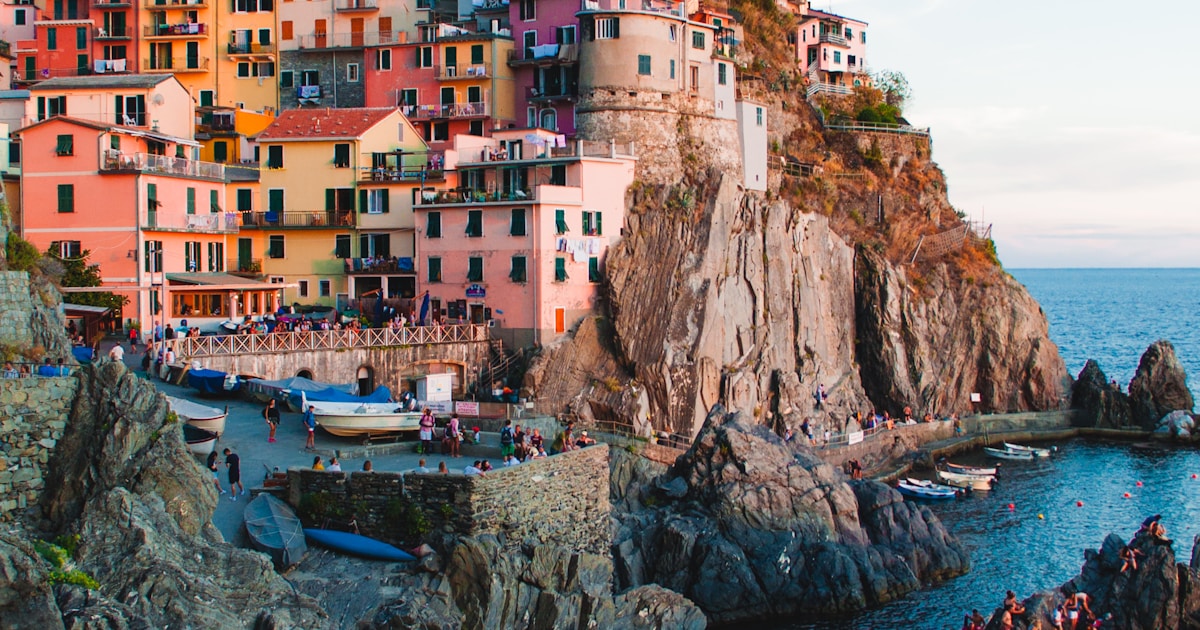
A 40-minute ferry from Naples lands you on Procida, a small island with pastel-colored houses stacked like a child’s building blocks. It’s quieter than nearby Capri, more affordable, and feels like a secret. The island’s main town wraps around a fishing harbor, and the whole place has a lazy, lived-in charm.
Rent a scooter, swim in hidden coves, eat fresh seafood, and remember why islands make sense.
Sfogliatella & Coffee Culture
Sfogliatella (crispy fried pastry with sweetened ricotta filling) is Neapolitan soul food. It must be eaten fresh—crispy exterior, warm filling. Most pasticcerie (bakeries) make them throughout the day. Pair with a small espresso and you’ve experienced a piece of Neapolitan tradition.
Coffee culture here is serious. Espresso is fast, strong, and social. Locals order at the bar, drink standing, chat with the barista, and move on. Try it. Sit down and they’ll charge triple.
Spaccanapoli Museums & Churches
Every chapel and church along Spaccanapoli houses art. The Cappella di San Severo contains the stunning Veiled Christ sculpture—so realistic that it feels transgressive to look at. The underground church of San Gregorio Armeno blends Arab and Christian architecture. Wandering through these spaces with no guidebook, just curiosity, is how you truly experience Naples.
Safety: Honest & Positive Talk
Naples has a reputation, and parts of it are deserved. However: tourists using common sense have zero problems. Avoid flashing expensive cameras, don’t walk alone very late at night in certain areas, and keep your wits about you like you would in any major city.
The overwhelming majority of Naples is safe, welcoming, and genuinely delighted when visitors show respect and genuine interest. The city’s residents are warm and generous once they realize you’re not here to gawk and mock.
Use your travel smarts and you’ll be fine. More than fine—you’ll be enchanted.
Plan Your Naples Trip with Aitinery
Whether you have 2 days or 2 weeks, Aitinery creates a personalized Naples itinerary in seconds — with real transport times, local restaurant picks, and insider tips you won’t find in guidebooks.
👉 Start planning your Naples trip for free at aitinery.com.