
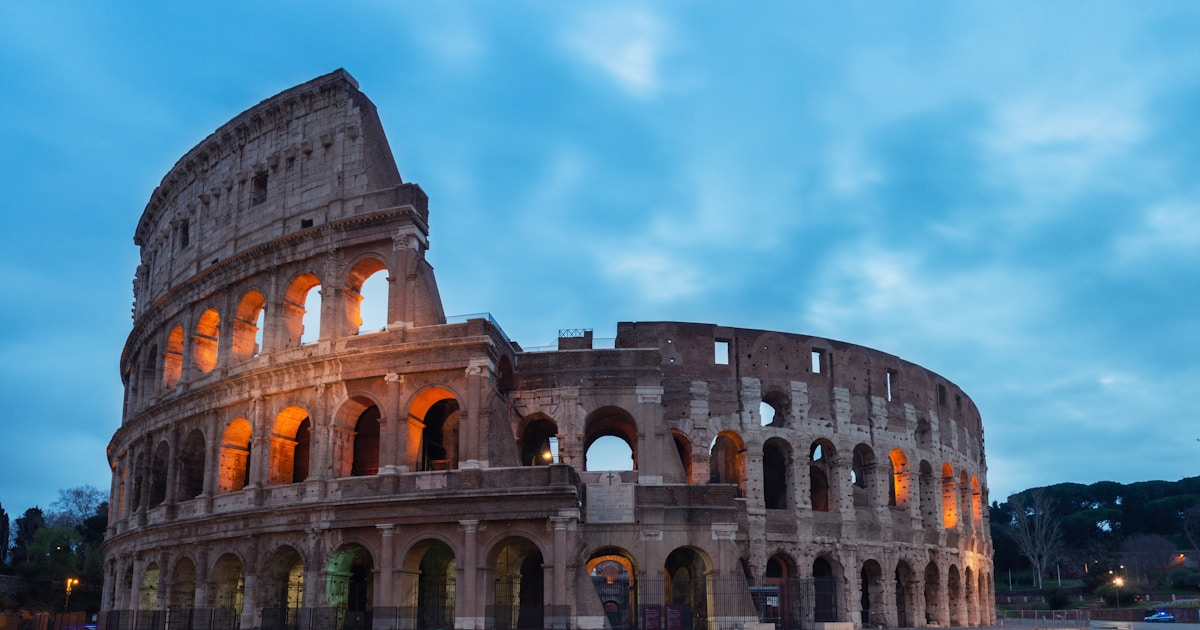
Rome isn’t just a city—it’s a feeling. One moment you’re dodging scooters in a narrow cobblestone street, the next you’re standing before 2,000 years of human achievement. The challenge isn’t finding things to do in Rome; it’s choosing what to skip.
The Classics: Colosseum, Vatican & Roman Forum
Yes, these are touristy. Yes, the crowds are real. But the Colosseum still takes your breath away when you step inside, and for good reason—it’s one of the greatest engineering feats of the ancient world. Book your tickets online in advance, arrive early (7 AM is your friend), and spend at least two hours exploring the structure’s multiple levels.
The Vatican complex deserves a full day. The Sistine Chapel, St. Peter’s Basilica, and Vatican Museums are absolutely worth the hype, but use a timed ticket and consider a guided tour to skip lines. The view from the dome of St. Peter’s is unbeatable—your legs will hate you, but your camera will thank you.
The Roman Forum sits between these two giants, and it’s where everyday Roman life unfolded for centuries. Grab a guidebook or download an app; the ruins make more sense with context.
Neighborhoods That Steal the Show
Trastevere is where locals actually hang out (mostly). Narrow streets branch off into cozy piazzas with ivy-covered buildings, trattorias, and wine bars. The energy here is completely different from the tourist zones—jump into a bacaro (Roman wine bar) and order a few cicchetti (small bites) with local wine.
Testaccio is another real Rome: working-class, delicious, and less overwhelmed by selfie sticks. Wander to Testaccio Market for fresh produce, street food, and the real pulse of the city. The food here is legendary—order cacio e pepe, carbonara, or carciofi alla giudia (Jewish-style artichokes) and prepare to reconsider your whole life.
Campo de’ Fiori isn’t hidden, but it’s alive in a way tourist squares aren’t. The morning flower and vegetable market fills the piazza with color and chaos. By evening, it transforms into a social hub packed with locals and visitors alike.
Food: Eat Like a Roman
Rome’s cuisine is rustic, minimal-ingredient, and absolutely legendary. Forget complicated dishes—Roman food is about cacio e pepe (cheese and black pepper), carbonara (eggs, guanciale, pecorino), amatriciana (tomato, guanciale, pecorino), and cacio e pepe again because it’s that good.
- Skip the restaurant with the laminated menu and pictures of food outside
- Eat at bacari (wine bars) for cicchetti and authentic snacks
- Try supplì (fried rice croquette with ragù) from a bakery—it costs €1.50 and tastes like joy
- Get gelato from Fatamorgana for innovative, artistic flavors
- Visit Volpetti for takeaway gourmet ingredients and prepared foods
Dealing with Rome’s Quirks: ZTL & Getting Around
The Zona Traffico Limitato (ZTL) is Rome’s central restricted traffic zone—rental cars get fined €100+. Don’t drive in the historic center. Period. Use the metro (it’s efficient and costs €2 per ride), buses, or your feet. Walking is actually the best way to experience Rome—you’ll stumble upon fountains, churches, and hidden corners constantly.
Rent a Vespa or Vespa-clone scooter if you want to feel like an Italian (and you’re comfortable navigating Roman traffic). Honestly, walking and public transport are your safest bets.
Beyond the Center: Day Trips Worth Your Time
Tivoli is 30km away and home to two UNESCO World Heritage sites. Villa d’Este is a 16th-century cardinal’s mansion with fountains that literally cover every surface—it’s jaw-dropping and slightly excessive. Villa Gregoriana offers natural waterfalls and atmospheric ruins. Take the regional train from Termini Station (30 minutes, €3).
Ostia Antica is Rome’s ancient seaport and feels less crowded than the Forum. The preserved theater, apartment buildings, and mosaics tell the story of Roman trade and daily life. It’s 30 minutes away by metro and train.
Best Times to Visit Rome
April-May and September-October are ideal—pleasant weather, fewer crowds than summer, and lower prices than peak season. July-August is brutally hot and absolutely packed. Many restaurants close for August vacation.
Winter (November-February) is underrated. Yes, it’s cool (50-60°F), but the light is golden, lines are short, and you get Rome feeling almost like a real city again. Museums are empty. Book reservations at restaurants without waiting weeks.
Where to Stay
- Centro Storico/Pantheon area: Walkable to everything, pricey, tourist-focused
- Trastevere: Charming, great food scene, still accessible to main sights
- Testaccio/Garbatella: Local, affordable, excellent restaurants, slightly further from the center
- Pigneto/San Lorenzo: Bohemian, street art, student vibe, budget-friendly
- Near Termini Station: Convenient but gritty; useful if arriving by train
Book accommodations 2-3 months in advance if visiting peak season. Hostels with private rooms are often cheaper than mid-range hotels.
Practical Rome Tips
- Get a Roma Pass (€28-48) for discounted or free museum entry and public transport
- Download the Citymapper app for reliable transport directions
- Most museums close Mondays; check hours before visiting
- Dress code for churches: covered shoulders and knees (yes, really, and guards enforce it)
- Pickpocketing is real on crowded metro lines—guard your bag and pockets
- Tipping is optional but appreciated (round up or leave 5-10% for good service)
Plan Your Rome Trip with Aitinery
Whether you have 2 days or 2 weeks, Aitinery creates a personalized Rome itinerary in seconds—with real transport times, local restaurant picks, and insider tips you won’t find in guidebooks.
👉 Start planning your Rome trip for free at aitinery.com.