
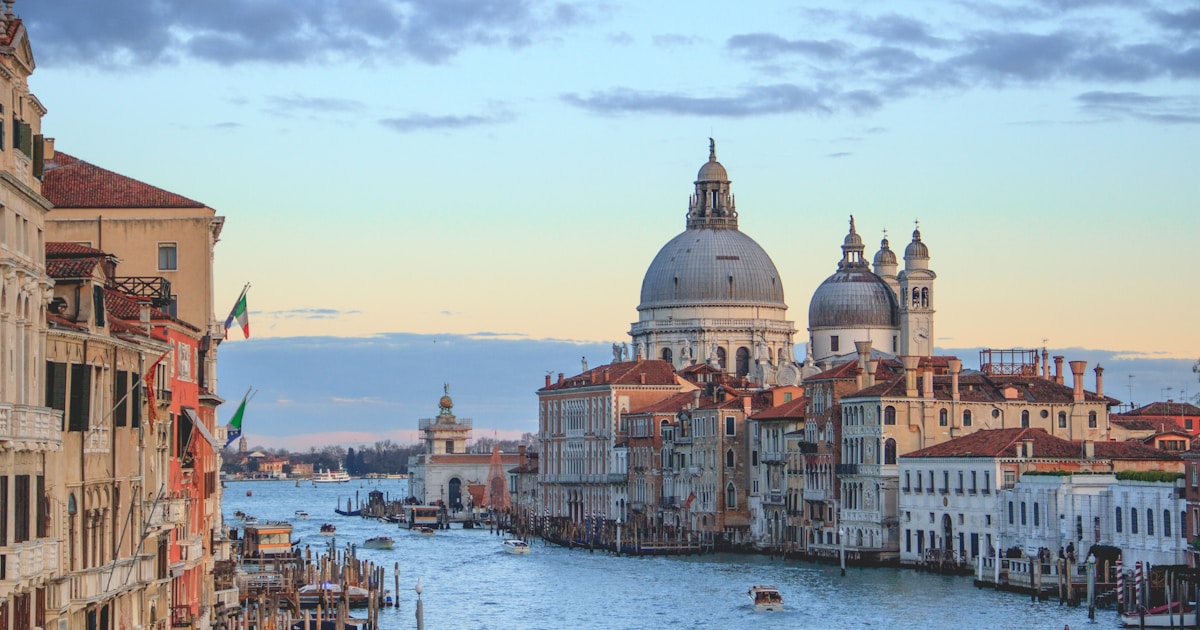
Venice is romance distilled into stone and water. Two days isn’t enough to exhaust the city, but it’s plenty to experience its soul. The key is avoiding peak hours, skipping the biggest crowds, and letting yourself wander purposefully lost.
Day 1: San Marco & Gondola Dreams
Arrive in Venice by train and head straight to your accommodation to drop bags—every minute counts in a 48-hour visit. Make a beeline to San Marco Basilica, arriving right when it opens (typically 9:30 AM) to beat crowds. The basilica is Venice’s most iconic structure: Byzantine domes, gilded mosaics, and an interior that glimmers like treasure.
After the basilica, climb the Campanile (bell tower) for sweeping city views. You’ll see Venice’s layout clearly from above: the Grand Canal’s serpentine path, the domed basilicas, and the Lagoon beyond. The climb is just elevator and stairs.
Walk through the Doge’s Palace, Venice’s former governmental seat, and across the Bridge of Sighs. Avoid the long museum queues by simply admiring the exterior, which is impressive enough.
At this point, you need a gondola ride. Yes, they’re touristy. Yes, they’re expensive (expect €80-100 for 30 minutes). But a gondola through Venice’s smaller canals—not the famous Grand Canal—is genuinely magical. Twilight is the best time. Negotiate directly with gondoliers near the Rialto Bridge rather than using official stands; you might save 10-20 euros and get a more authentic experience.
End day one with dinner in Dorsoduro, Venice’s southside district. Cross the Accademia Bridge and wander the streets beyond. Restaurant recommendations vary yearly, but stick to places where locals eat—tables crowded with Venetian families, menus without photos, and prices that don’t require a second mortgage.
Day 2: Rialto, Bacari, & Sunset
Wake early and head to the Rialto Market (Mercato di Rialto), where Venice’s working-class energy concentrates. Fishermen unload their catch; produce vendors arrange displays; locals push carts through narrow aisles. This is Venice before tourism arrived. Grab coffee and a pastry at a market café packed with workers.
Explore the Rialto Bridge and the neighborhood’s eastern side. Spot the Fondaco dei Tedeschi palace, once a major trading post. The upper floors now house shops and a terrace with excellent city views.
By mid-morning, head back to Dorsoduro. Visit the Accademia Gallery if art interests you, or skip it and instead explore galleries and small museums. The Peggy Guggenheim Collection is excellent but expensive. More fun: walk the Fondamenta delle Zattere (waterfront promenade) and peer into artist studios.
Lunch is the crucial moment for bacari hopping—Venice’s answer to Spanish tapas. Bacari are small standing wine bars serving cicchetti (snacks). Order a small glass of wine and grab plates of tiny meatballs, cured meats, fried seafood, and polenta squares. Drift from bar to bar along the Grand Canal’s residential side streets. This is how Venetians lunch—quick, delicious, and social.
Spend the afternoon at Galleria dell’Accademia or simply wandering Dorsoduro’s quiet streets. Pop into a small church (Venice has dozens of beautiful churches mostly empty of tourists). Sit in squares watching light change on water and buildings.
As the sun approaches the horizon, claim a seat at a Zattere waterfront bar or restaurant. Watch the light turn golden, then pink, then purple. The Zattere is Venice’s sunset capital—a long, peaceful waterfront where local families and couples gather as the day ends. It’s the most romantic hour in Venice.
Have your final dinner waterside, or grab takeaway and eat on the waterfront bench like locals do.
Romantic Hotel Picks
Stay in Dorsoduro or San Marco for walkability, but expect to pay premium prices. Budget hotels in these areas run €80-120/night; mid-range €150-250; luxury €300+. Alternatively, book near Campo Santa Margherita, a neighborhood with good restaurants and younger vibes, at slightly better prices.
Avoid hotels near the train station—overpriced and touristy. Instead, cross the Accademia Bridge or Rialto and venture into quieter residential zones. Hotels on side canals offer better value and more authentic experiences than Grand Canal properties.
Best Restaurants for Couples
- Osteria al Bacco (Dorsoduro): Intimate, excellent cicchetti and wine
- Trattoria da Fiore (San Polo): Small, traditional, reasonably priced for Venice
- Alle Testiere (Castello): Tiny, famous, seafood-focused. Reserve weeks ahead.
- Antiche Carampane (San Polo): Fresh seafood in a romantic setting
- Campo Santa Margherita: Entire square full of casual options; pick any and grab a table
Hidden Spots Locals Love
Skip San Marco in the afternoon when it’s mobbed. Instead, explore Cannaregio (the working-class neighborhood north of the Grand Canal), Giudecca (Venice’s industrial island with fewer tourists), and Castello (the residential zone east of San Marco). You’ll find quiet canals, authentic neighborhood bars, and that elusive Venetian atmosphere tourists seek.
The Giudecca waterfront offers stunning views of San Marco across the basin—fewer tourists photograph from here. Cannaregio’s small canals and bridges feel like Venice’s interior, untouched by mass tourism.
Getting Around
Vaporettos (water buses) are Venice’s main transit. A 2-day pass costs €35-40 and covers unlimited travel. Walking is actually faster than vaporettos in central Venice—the city is compact. Only use vaporettos to reach outer islands.
Plan Your Venetian Escape with Aitinery
Skip the hours of research. Aitinery builds your personalized Italy itinerary in seconds — with real train times, local restaurants, and daily schedules you can actually follow.
👉 Start planning for free at aitinery.com.